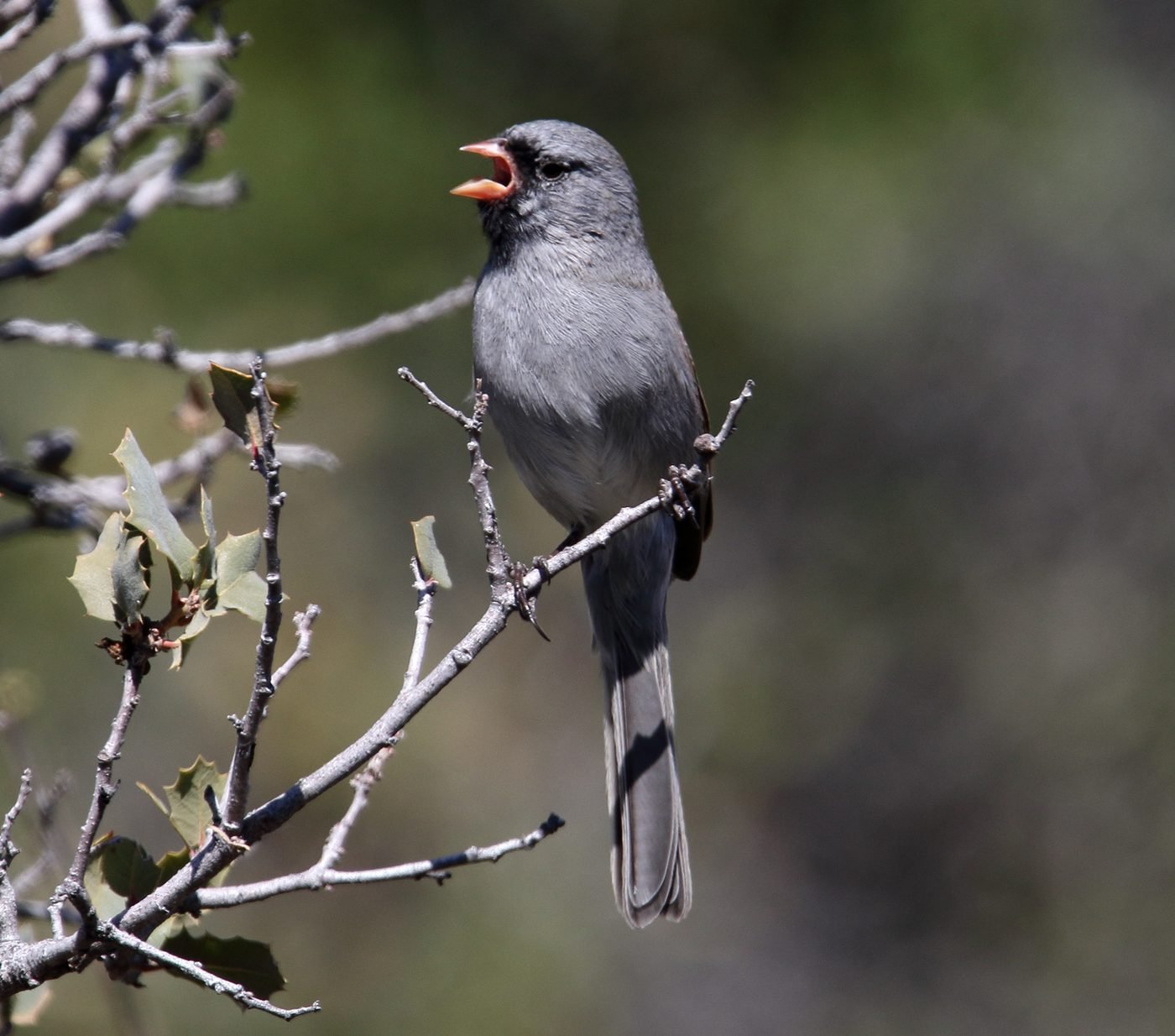
A field sighting is an observation of a bird encountered in daily life, recorded independently of any nest. Where the nest programme tracks fixed boxes over time, sightings capture the birds people happen to come across while out and about, which widens the project's reach well beyond the gardens that hold a box. A sighting consists of a photograph, a location, and an optional description. Once submitted it joins the public sightings gallery, where it waits to be identified by the community.
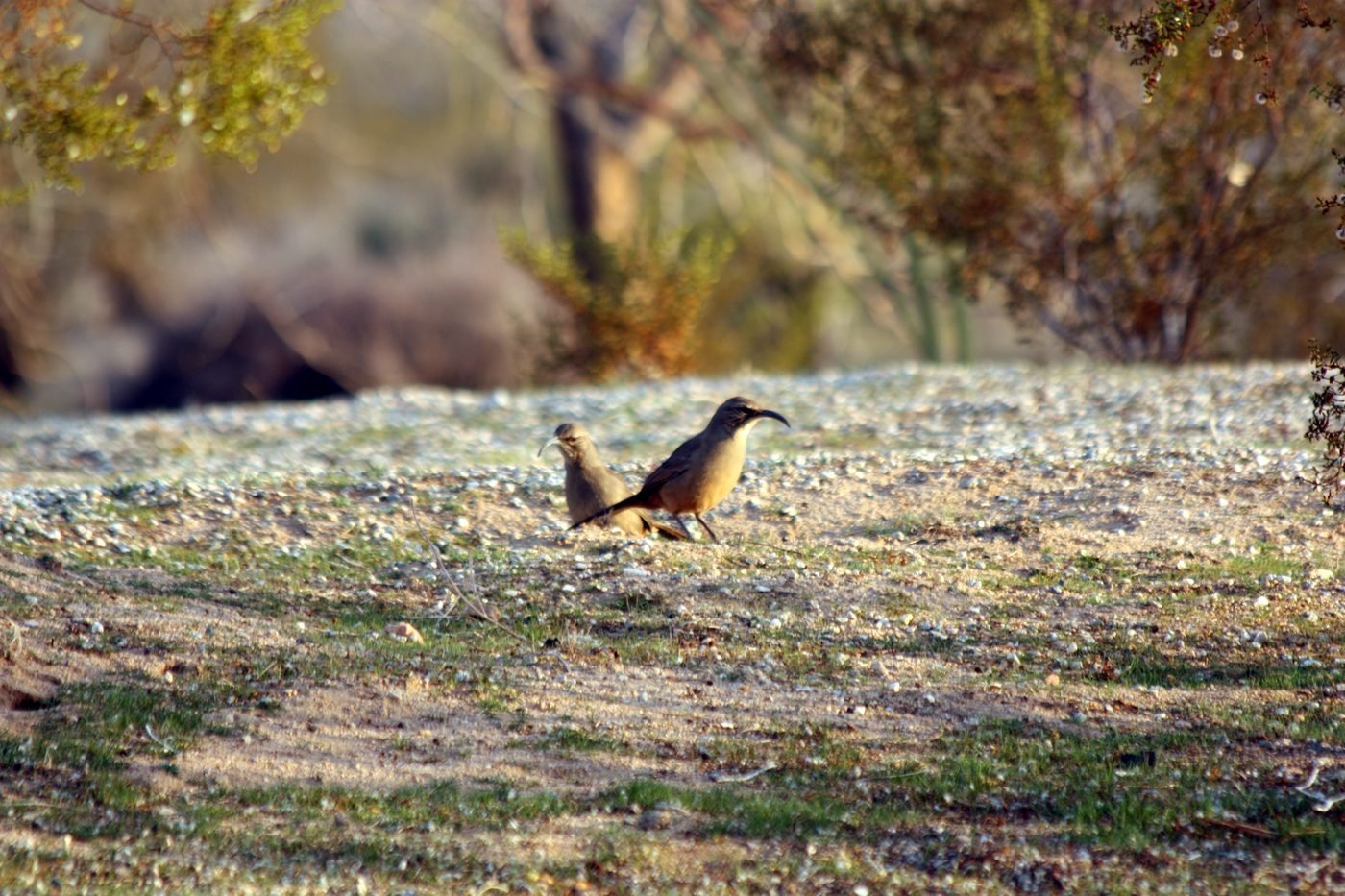
Sightings broaden the geographic and behavioural spread of the data the project collects. A nest can only report on the small patch of ground it occupies, whereas a sighting can come from anywhere a participant happens to be, which helps map where the focus birds are still present across the wider landscape. The identification layer then turns each raw photograph into structured data by recording a set of observable traits, and where those traits match one of the four focus species the sighting is flagged as a suspected focus bird for closer attention. Because the classification is carried out by many people rather than a single observer, the project gains a degree of cross-checking that a lone submission could not provide.
The four focus species are the California Gnatcatcher, the Cactus Wren, the California Thrasher, and the Black-chinned Sparrow, all small shrubland birds of Southern California whose appearance differs enough that the identification form can separate them cleanly.
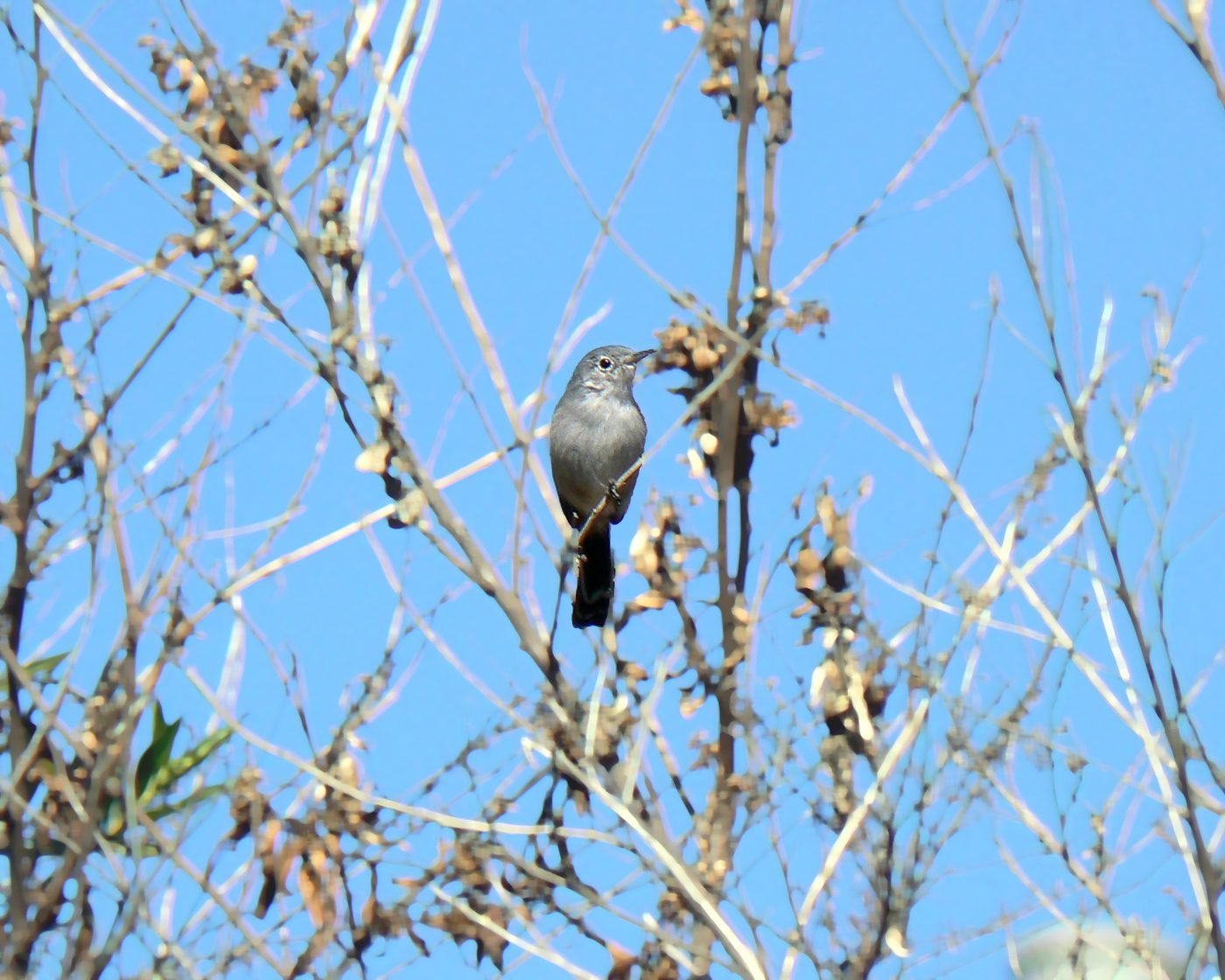
- Log in. Posting a sighting requires a logged-in account, so register or log in first.
- Photograph the bird. A clear image is what allows others to identify it later, so a sharp, well-framed photograph is worth the effort.
- Open the submission form. Reach it from the buttons above or the top bar.
- Attach the image and enter a location. Both are required. The form will not save without them.
- Add a description, if you wish. Note anything the photograph does not show, such as the bird's call, its behaviour, or the surrounding habitat.
- Submit. The sighting is reviewed by staff and then appears in the public gallery awaiting identification.
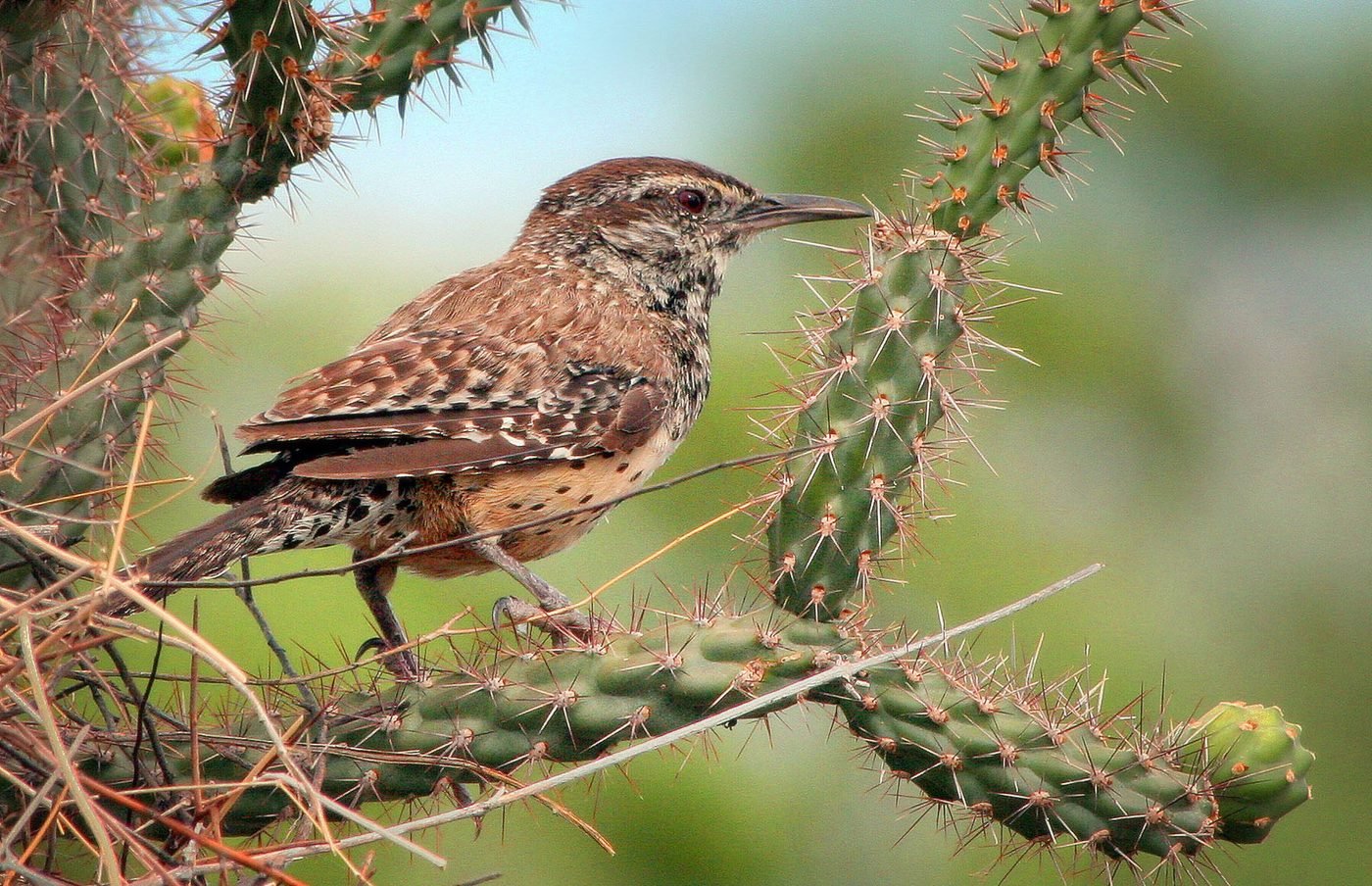
- Open the identify portal. Reach it from the buttons above or the top bar. Anyone can help identify sightings, whether or not they have posted one.
- Study the sighting presented. The portal selects one unidentified sighting at random from those not yet classified and shows it on its own.
- Work through the form. The multiple-choice questions ask about the bird's size, the colours of its various body parts, the shape of its bill and tail, its behaviour, and any standout features.
- Answer only what you can see. A careful partial answer is more useful than a confident guess, so leave uncertain fields rather than forcing them.
- Submit the form. The answers are recorded against the sighting, the sighting is marked as identified so it's not shown to others again, and the recorded traits are compared against the four focus species.
- Suspected focus birds are flagged. Where the traits match a focus species closely enough the sighting is marked as a suspected focus bird, which draws it to the attention of staff for confirmation.